

MAYORS FOR DIGITAL COOPERATION (MDC)



The Global Digital Compact (GDC) outlines a shared vision of an inclusive, open, sustainable, fair, safe, and secure digital future for all. Urban areas are at the forefront of global digital transformation and play a key role in the GDC’s implementation.
The Mayors for Digital Cooperation (MDC) initiative’s mission is to localize and advance the GDC in cities through a global network of mayors.
Hosted by the United Nations Human Settlements Programme (UN-Habitat) in close collaboration with the United Nations Office for Digital and Emerging Technologies (UN-ODET), the MDC initiative provides a new forum to drive global digital cooperation among cities and their mayors.
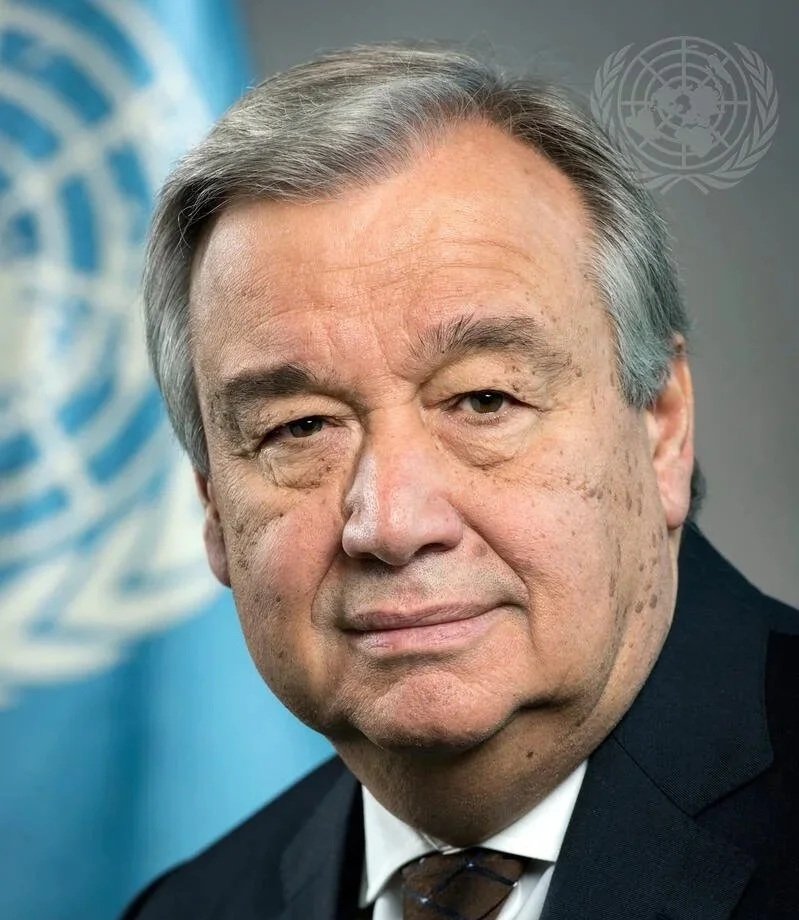
“Cities are engines of opportunity. When we place people at the centre, digital innovation can help drive fairness and sustainability for all.
Cities are now becoming digital spaces.
Let us ensure they are also inclusive, green and just.”
— United Nations Secretary-General, António Guterres, World Cities Day 2025
Credit: UN Photo/Mark Garten
Interested in joining the MDC initiative?
CITIES DIGITAL INCLUSION TOOLKIT (CDIT)
A practical resource for cities
The Cities Digital Inclusion Toolkit (CDIT) helps cities understand and address local digital divides. Through an interactive five-step assessment, cities can identify priority areas for action and explore relevant measures and practices from cities around the world.
Combining the Digital Divide Assessment with a Measures Explorer, the toolkit turns data and insights into practical action for more inclusive, people-centred digital transformation.

THE CASE FOR LOCAL DIGITAL COOPERATION
The urban digital world is one of divides. Just like across countries, the access and use of digital technologies is often unequal and segmented across income, ethnic, and neighbourhood lines.
Increased digital cooperation of local governments is a necessary tool for fostering economic growth in cities and improving the provision of public services at the local level.
Urban planning plays a significant role in achieving the Sustainable Development Goals (SDGs), notably SDG 11 which focuses on making cities and human settlements inclusive, safe, resilient, and sustainable.
Empowering digital inclusion at the local level is critical for leveraging the full benefits of digital technology for sustainable urban development.
SHOWCASING INSPIRING LOCAL LEADERSHIP
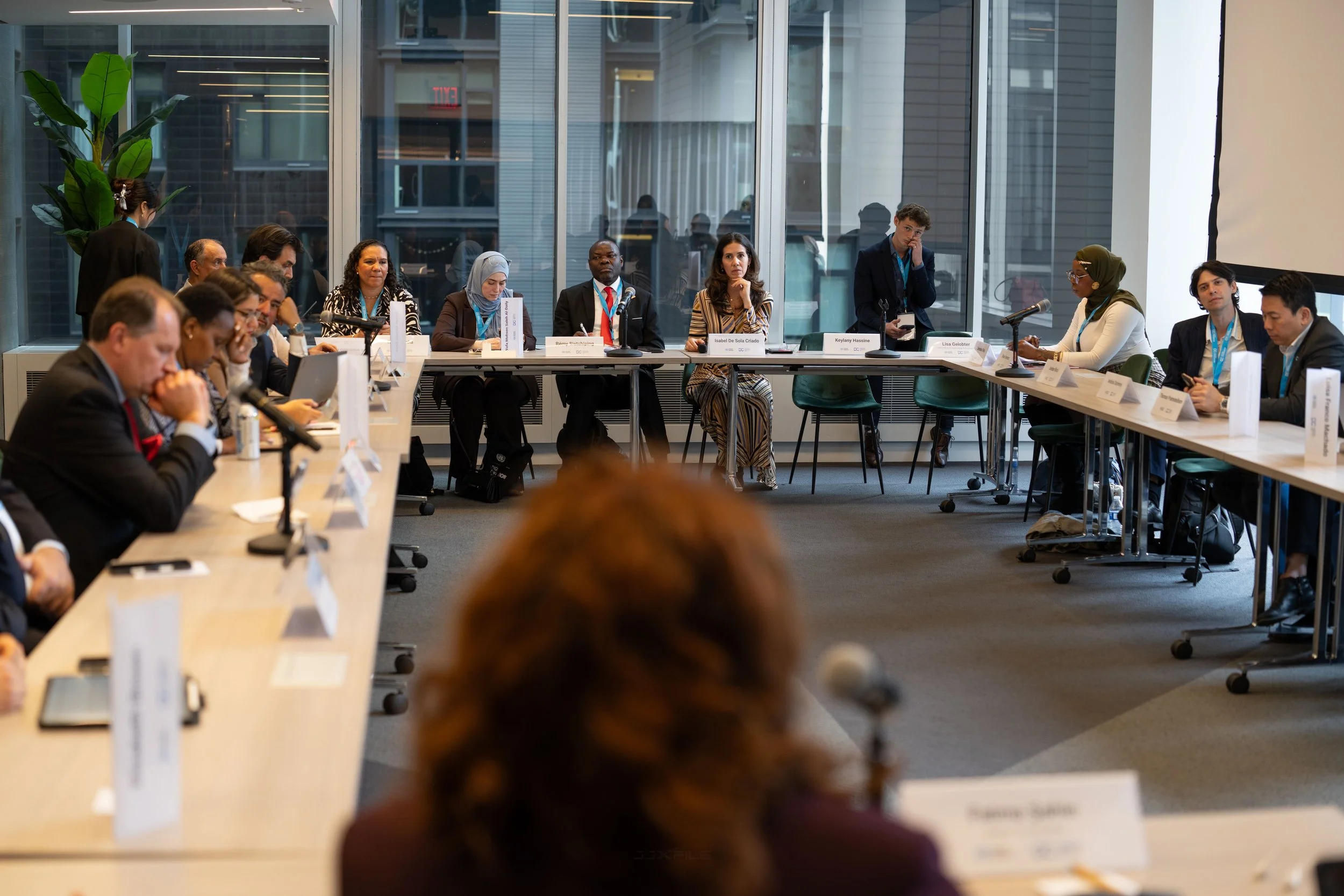
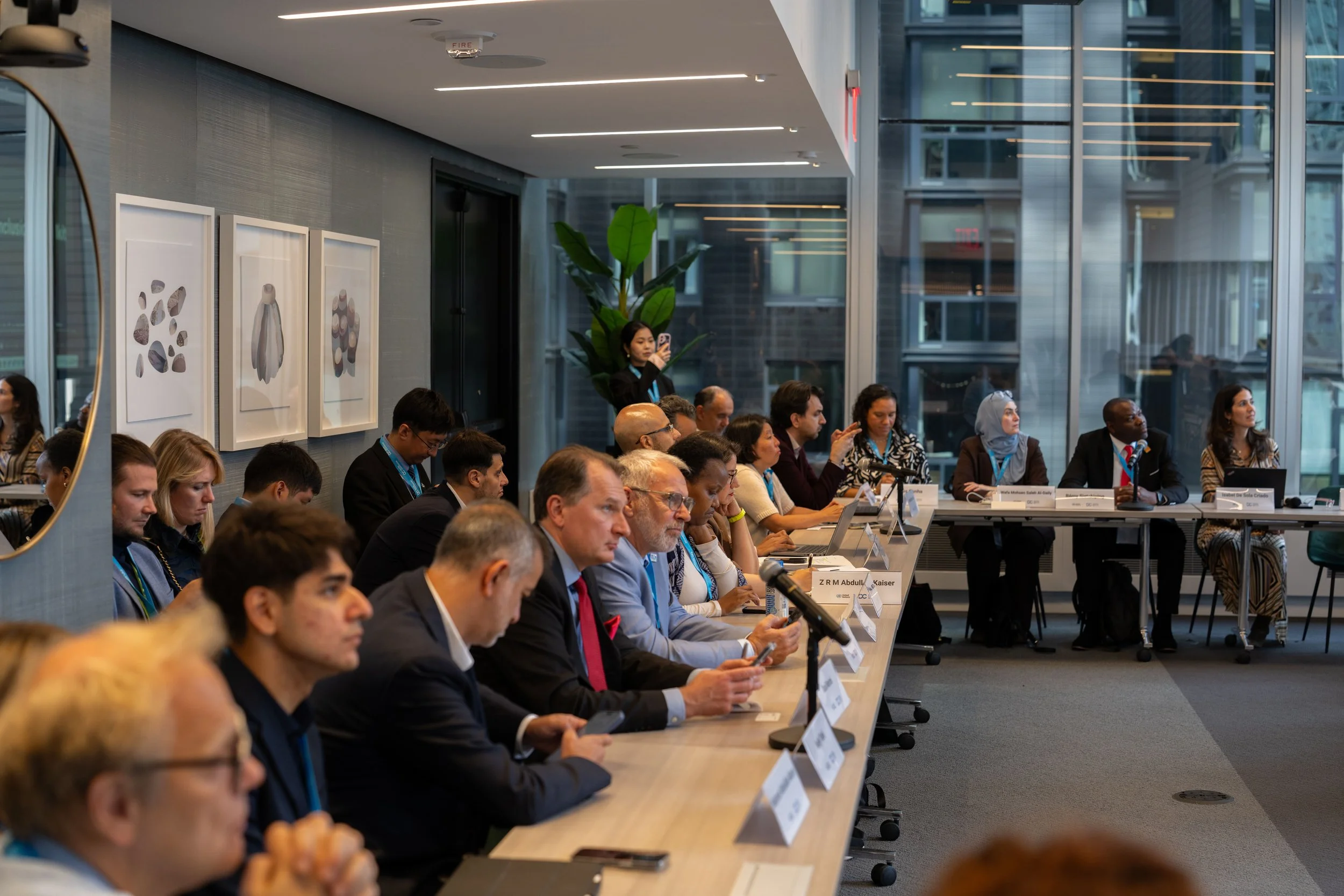
The 2026 Digital Cooperation Day (DCD) on 21 September featured the session “Local Action for Digital Inclusion: Translating the Global Digital Compact into Local Action,” hosted by ODET and UN-Habitat in New York. It explored how Mayors for Digital Cooperation (MDC) and the Cities Digital Inclusion Toolkit (CDIT) can help local and regional authorities translate the Global Digital Compact into concrete action.
The roundtable convened 40 participants from cities, city networks, UN entities, civil society, youth, academia and the private sector to discuss challenges including connectivity, digital skills, trust, governance and responsible technology adoption.

THE CITIES DIGITAL INCLUSION TOOLKIT (CDIT)
The MDC initiative is developing a solution-oriented and globally scalable Cities Digital Inclusion Toolkit (CDIT). The CDIT contributes to closing digital divides through a better, data-driven understanding of the local level.
The CDIT integrates two key building blocks: (1) A “Digital Divide Assessment”, based on a framework by UN-Habitat; (2) The “Measures Explorer” showcasing innovative digital solutions in cities around the world.
Using CDIT, cities first conduct an interactive five-step assessment of their digital divide. Once their three priority areas for action are identified, cities are provided with a tailored set of relevant digital measures and existing best practices. This uniquely empowers them to directly address their gaps.

Have you discovered the People-Centred Smart Cities Playbooks yet?


UPCOMING
Smart City Expo World Congress
3–5 November 2026 · Barcelona, Spain
World Urban Forum (WUF 13)
PAST EVENTS
Digital Cooperation Day 2026
21 September 2026, New York City
17–22 May 2026, Baku, Azerbaijan
-
The Mayors for Digital Cooperation (MDC) initiative was present at the 13th World Urban Forum (WUF13), held in Baku, Azerbaijan, from 17 to 22 May 2026.
On 21 May, MDC brought together city officials to explore opportunities for peer learning, knowledge-sharing and practical cooperation on digital transformation. Discussions highlighted the interest of local leaders, particularly from Sub-Saharan Africa, in strengthening their cities’ digital capacities and accessing concrete technical support.
On 22 May, a session on “Localizing the Global Digital Compact” explored how the Compact’s five objectives can help cities address digital infrastructure gaps, improve urban data governance, harness artificial intelligence and strengthen local digital capacities.
The discussions underscored the role of digital cooperation in advancing sustainable urban development and the potential of MDC to connect city leaders, facilitate knowledge exchange and support the local implementation of the Global Digital Compact. The initiative will continue building momentum towards future opportunities for collaboration, including the next World Urban Forum in 2028.
“Mayors for Digital Cooperation: Multi-Stakeholder Roundtable” has been accepted as Open Forum #50 for the Internet Governance Forum (IGF) 2026.
The session will highlight the role of mayors and local governments in advancing inclusive digital cooperation.
MDC heads to Barcelona for a city-to-city conversation on the realities of digital transformation.
Mayors and city leaders will share practical experiences, lessons learned and opportunities for greater cooperation to advance inclusive, people-centred digital development.
-
Mayors for Digital Cooperation: Translating the Global Digital Compact into Local Action
The Mayors for Digital Cooperation (MDC) initiative was featured at the “Local Action for Digital Inclusion” roundtable, held in New York on 21 September 2026, bringing together approximately 40 participants from cities, international organizations, civil society, the private sector, youth and academia.
The session explored how MDC and the Cities Digital Inclusion Toolkit (CDIT) can help local and regional authorities translate the Global Digital Compact into concrete action. Discussions highlighted the importance of peer learning, practical tools and partnerships to advance inclusive digital transformation at the local level.
Participants emphasized that digital inclusion requires more than connectivity. It also depends on digital skills, online safety, human-centred public services, trustworthy governance of emerging technologies and strategic investment. Particular attention was given to the needs of young people and underserved and vulnerable communities.
The discussions reaffirmed the role of MDC in connecting city leaders and facilitating knowledge exchange, while highlighting the potential of CDIT to help cities assess digital divides, identify priorities and turn evidence into action.
The session concluded with a shared commitment to strengthen collaboration among cities and partners, ensuring that the Global Digital Compact translates into tangible benefits for local communities.
Internet Governance Forum (IGF)
14-18 December 2026 · Nairobi, Kenya
Digital Cooperation Day (DCD) 2025
22 September 2025, New York City
-
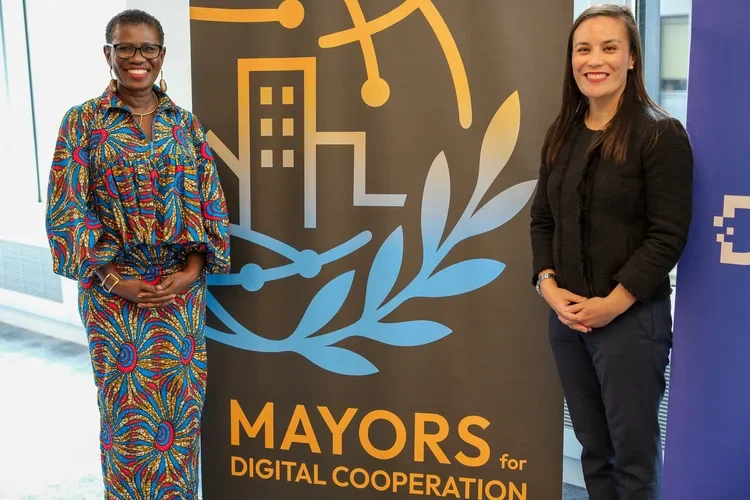
The 2025 Digital Cooperation Day (DCD) on 22 September, featured a session on “Localizing the Global Digital Compact — Mayors for Digital Cooperation & Empowering Country-Led Action for Digital Transformation”, showcasing the MDC initiative.
The first part of the session, co-hosted by the UN Office for Digital and Emerging Technologies (UN-ODET) and UN-Habitat, convened the mayors Yvonne Aki-Sawyerr (Freetown) and Gina Ortiz Jones (San Antonio).
Moderated by Dave Amos (Assistant Professor of City Planning & Creator of City Beautiful), the two inspiring leaders explored how cities can learn from each other to harness the potential of digital technology and close digital divides.